Optimal Strategies for Trust Distribution Minutes
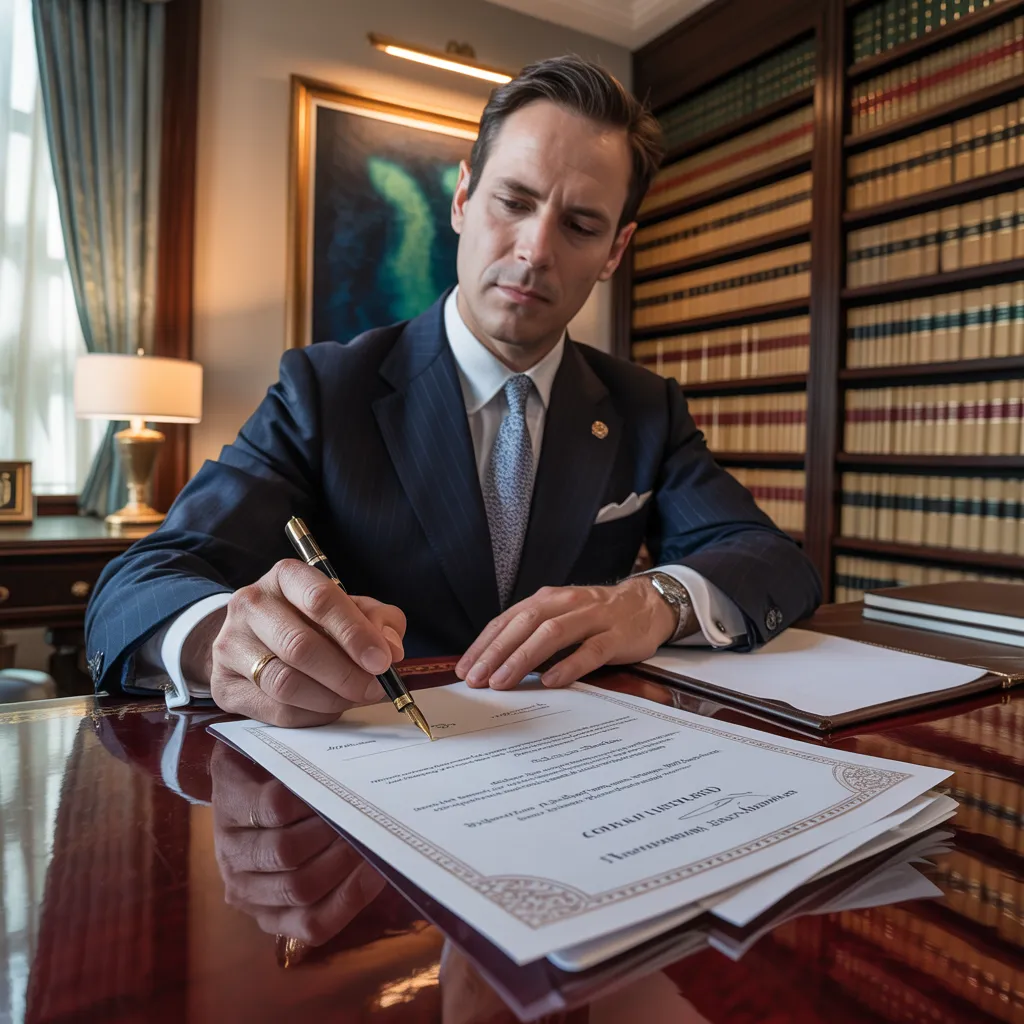
Trust distribution minutes serve as a vital role in successful trust administration. They function as a formal documentation of decisions made regarding asset distributions and guarantee transparency among interested parties. A properly organized method not only explains the distribution process but also promotes accountability. Nevertheless, many fiduciaries overlook important procedures that could enhance these minutes. Recognizing these optimal practices can significantly affect the efficiency of trust administration and the contentment of beneficiaries. What are these critical procedures?
Why Trust Distribution Records Matter: Important Advantages for Trust Administrators
Although trust distribution minutes may appear to be a mere formality, they serve critical purposes for trustees. These minutes act as official records documenting decisions made concerning distributions, ensuring transparency and accountability. By documenting the reasoning behind each distribution, trustees can protect themselves from potential disputes or legal challenges in the future.
Furthermore, fiduciary allocation minutes promote communication among beneficiaries and trustees, fostering trust and insight. They provide a clear framework of the trust's monetary standing and distribution rationale, which can serve to address beneficiary requirements.
Additionally, extensive minutes act as a point of reference for future decisions, permitting trustees to preserve regularity in their conduct. Finally, the precise documentation of these minutes facilitates reinforcing fiduciary responsibilities, strengthening the integrity of the trust operational structure. In this way, failing to perform this task can lead to misunderstandings and complications that would have been simply prevented.
Vital Components of Trust Distribution Minutes
The core elements of trust allocation minutes serve an important role in guaranteeing efficient administration and transparency. Key meeting participants should be clearly recognized, while detailed dissemination source guidelines provide a structure for making decisions. Furthermore, clear documentation processes are essential for maintaining precise records and facilitating subsequent consultation.
Critical Meeting Members
Effective trust distribution meetings require the involvement of key stakeholders who contribute to prudent choices. Primary participants include the fiduciary, who supervises the distribution process, and recipients, whose feedback furnishes essential insights. Legal advisors serve as critical components in ensuring respect for relevant laws and regulations, while financial experts present assessments on the trust's investment management and distribution consequences. Additionally, any co-trustees should be engaged to maintain clarity and collaborative decision-making. Parties of interest may also include kinfolk or spokespeople championing the beneficiaries' interests. Each participant's individual outlook enhances the quality of discussions, confirming that all relevant factors are evaluated, ultimately producing impartial and proportionate trust distributions.
In-Depth Circulation Protocols
Formulating precise distribution guidelines is essential for well-executed beneficiary distribution meetings. These guidelines should outline the criteria for distributions, including suitability and the designated uses for which capital may be assigned. It is important to define the decision-making process, articulating who has the mandate to approve disbursements and how decisions will be communicated to recipients. In addition, provisions should attend to the frequency of distributions, guaranteeing that recipients have a clear grasp of when they can count on to receive money. By providing a structured framework, these standards help minimize disputes and confirm that payouts align the trust's purposes. Adhering to these principles fosters transparency and accountability among fiduciaries and beneficiaries similarly.

Transparent Filing Guidelines
Accurate and thorough documentation is essential for maintaining clarity in trust distribution meetings. Clear record-keeping methods should include the date, time, and location of the meeting, as well as a list of attendees. Each trust distribution discussed must be recorded with detailed information, including the amount distributed, the recipient, and the rationale behind each decision. Additionally, any consensus points or concerns raised during the meeting should be noted to provide a detailed view of the discussions. It is also essential to assign subsequent tasks with deadlines to guarantee responsibility. By adhering to these documentation practices, trustees can create a trustworthy record that improves openness and facilitates future decision-making processes. This structured approach ultimately strengthens the trust's governance and stakeholder confidence.
Top Tips for Drafting Effective Trust Distribution Minutes
Drafting effective trust distribution minutes requires exactness. A clear purpose statement guarantees all parties comprehend the intent behind the distributions, while detailed details about the distributions themselves eliminate misunderstandings. These elements are fundamental for maintaining transparency and responsibility in the trust administration process.
Clear Objective Declaration
A clearly outlined purpose statement acts as the base for efficient trust distribution minutes, ensuring transparency and attention throughout the document. This statement should unambiguously define the goals of the trust distribution, supplying framework for all participants involved. By clearly setting the purpose, it establishes a guideline that controls discussions and decisions, eliminating ambiguity. It should be concise yet complete, indicating the targets of the trust and the intentions behind the distributions. Including a purpose statement not only promotes transparency but also enhances accountability among trustees and beneficiaries. A well-defined purpose statement sets the mood for the meeting, allowing participants to align their contributions with the overall objectives of the trust, ultimately leading to more effective outcomes.
Precise Distribution Information
Clear and detailed distribution details are important for effective trust distribution minutes. These details should include the names and relationships of beneficiaries, specific amounts or percentages to be distributed, and the date of distribution. Accurate records avoid misunderstandings and disputes, ensuring all parties are aware of their entitlements. Furthermore, it is wise to reference the trust document to confirm the distribution decisions made. Each entry should be dated and signed by relevant parties to promote accountability. Using a structured format can enhance clarity, allowing easy reference in the future. By following these practices, trustees can maintain transparency, building trust among beneficiaries while protecting against potential legal challenges. Accurate documentation reinforces the integrity of the trust administration process.
Sustaining and Updating Trust Distribution Records: Best Practices
Effective management of trust distribution records is essential for guaranteeing transparency and compliance. Regularly updating these records is important to reflect any changes in distribution decisions, beneficiary information, or legal requirements. Establishing a regular plan for examining and updating records helps maintain accuracy and relevance.
Using electronic tools can increase record-keeping efficiency, allowing easy access and retrieval of information. Secure storage solutions, both physical and electronic, must be used to secure sensitive data from unauthorized access.
In addition, documentation should be well-structured and transparent, with each entry providing sufficient detail to support the decisions made. This includes noting the date of distributions, amounts, and the rationale behind each decision.
Instructing personnel engaged in trust management on industry standards ensures consistency and minimizes the risk of mistakes. By following these protocols, trustees can copyright their legal obligations successfully.
Sidestep These Ordinary Blunders in Trust Documentation
Overseeing trust documentation requires care to avoid common pitfalls that can compromise its integrity. A frequent error is the failure to note decisions clearly and promptly. Insufficient records can cause conflicts and disputes among beneficiaries. Moreover, variable terminology can produce confusion; employing precise, consistent language is vital for clarity. Another common mistake is failing to include all relevant parties in discussions, which may result in inadequate records and a lack of transparency.
Moreover, overlooking legal requirements or updates in trust law can endanger the trust's enforceability. Skipping regular reviews and document updates may also produce obsolete or incorrect records. Lastly, declining to furnish adequate rationale for decisions can hamper future trustees' understanding of the trust's intent. By sidestepping these errors, trustees can verify that trust documentation remains robust and reliable, thereby defending the stakes of every party involved.
Improving Interaction Among Beneficiaries Through Documentation
The act of documenting meeting minutes serves as a key tool for enhancing exchange among beneficiaries in a trust. By noting down the dialogues, decisions, and action items, minutes give a clear record that can be referenced by all parties involved. This practice guarantees that beneficiaries remain posted about the trust's status and the rationale behind critical decisions.
Effective minutes can promote transparency, minimizing confusion and potential disputes among stakeholders. By communicating these documents quickly after meetings, all stakeholders can stay in agreement on objectives and duties. Additionally, well-structured records encourage participation, permitting beneficiaries to feel engaged in the trust's management.
Regularly reviewing and circulating these documents not only fosters responsibility but also acts as a historical archive that beneficiaries can review in the future. Ultimately, strengthening communication through minutes is vital for upholding confidence and teamwork among beneficiaries, promoting a smoother distribution process.
Often Asked Questions
When Should trust distribution notes Be Refreshed?
Trust distribution records should be revised on a consistent basis, ideally after each distribution or major determination, to ensure precise documentation. Uniformity in record-keeping promotes openness and helps preserve confidence among beneficiaries and trustees throughout the process.
Can Beneficiaries Ask for Duplicates of Trust Distribution Minutes?
Beneficiaries can ask for duplicates of trust distribution records, as openness is typically promoted within trust administration. However, the ability to obtain these records may rely on the specific terms outlined in the trust agreement.
What Takes Place if Minutes Are Not Recorded?
Without documented trust distribution minutes, beneficiary confusion may occur, alongside probable distribution disputes and obstacles in verifying adherence to trust stipulations, ultimately jeopardizing the trust's institutional integrity and proper management.
Are Trust Distribution Minutes Required to Meet Mandatory Standards?
Yes, regulatory obligations for trust distribution minutes exist, often varying by jurisdiction. Accurate records guarantees compliance with regulations and safeguards trustees from liability, reinforcing the importance of maintaining accurate and thorough records during trust distributions.
Who Should Draft the Minutes?
A trustee typically has responsibility for formulate the minutes. The representative must accurately register decisions on trust distributions, ensuring compliance with legal requirements and providing transparency for beneficiaries and future reference.